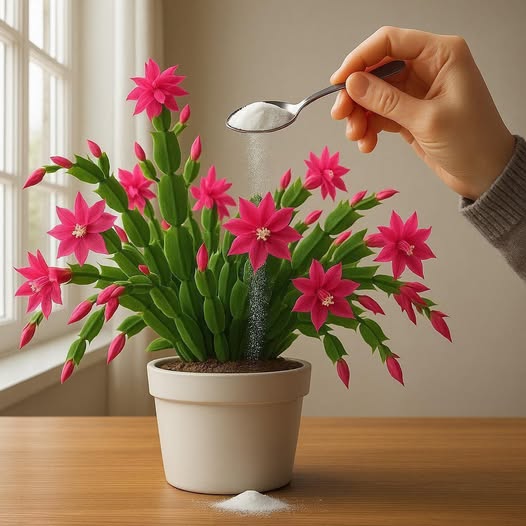
🌿 Just 1 Spoon Makes It Explode in Growth — Even “Ugly” Plants Revive Fast!
Are your plants looking dull, tired, or just plain stuck in place? 🌱 Whether you’re a beginner or a seasoned gardener, it can be frustrating to see your green friends refuse to thrive—no matter how much love and care you give. The good news is that there’s a fast, affordable solution that can jumpstart plant growth and completely transform your garden in just days.
The secret? Urea fertilizer—a simple, nitrogen-rich compound that delivers explosive growth and lush, green foliage, even for plants that look lifeless or “ugly.”
🌱 What Is Urea and Why Does It Work?
Urea is a synthetic fertilizer that contains a high concentration of nitrogen (typically 46%), an essential nutrient for all plants. Nitrogen is the key element responsible for:
- Leaf development
- Chlorophyll production
- Stem strength
- Rapid vegetative growth
When plants suffer from nitrogen deficiency, they often display:
- Yellowing leaves
- Stunted growth
- Weak stems
- General dullness and poor vitality
Urea corrects this almost immediately by delivering a nitrogen boost directly to the roots or foliage, kickstarting plant metabolism and encouraging vibrant, green, healthy growth.
🧪 What You Need to Make the Urea Growth Solution
Creating this powerful plant tonic at home is simple, quick, and incredibly cost-effective. Here’s everything you need:
Ingredients:
- 1 tablespoon of urea fertilizer (pure form, not mixed with other chemicals)
- 2 liters of water (preferably rainwater or filtered to avoid chlorine)
Tools:
- A clean spray bottle or watering can
- Measuring spoon (don’t overfill)
- Optional: a funnel for easier pouring
💡 Note: Urea is widely available at agricultural supply stores, gardening centers, pet shops, florists, and online. It’s inexpensive and a little goes a long way.
🌼 How to Prepare and Apply Urea Fertilizer Solution
Step 1: Mix Your Solution
- Fill a clean container with 2 liters of chlorine-free water.
- Add 1 level tablespoon of urea to the water.
- Stir until completely dissolved.
Step 2: Choose Your Method of Application
You can apply the urea mixture in two main ways:
A. Soil Drenching
- Pour the solution directly at the base of each plant.
- Make sure the soil is slightly moist before applying for best absorption.
- Avoid overwatering—use just enough to moisten the root zone.
B. Foliar Spray
- Pour the solution into a spray bottle.
- Lightly mist the leaves, top and underside.
- Do this during early morning or late afternoon to avoid leaf burn from sunlight.
🌤️ Tip: Avoid spraying in direct sunlight or when temperatures are above 80°F (27°C).
📅 When and How Often to Apply
- For best results, apply the solution once every 2 weeks.
- If your plants are severely stunted or yellowing, you can start with a weekly application for the first month, then reduce to twice monthly.
- Monitor plant response—more is not always better. Overuse of nitrogen can lead to excessive leaf growth and weak flowering.
🌿 Results to Expect (And When)
After just 3–5 days, you’ll begin to notice changes:
- Deeper green leaves
- New shoots and stronger stems
- Faster overall growth
- Revival of drooping or dull-looking plants
Even houseplants, balcony herbs, and flowering plants can experience significant improvement with this single treatment.
🪴 Before and After: Yellow, shriveled leaves often return to vibrant green, and stunted plants begin reaching toward the light with energy.
🌱 Best Plants to Use Urea Fertilizer On
While almost all plants benefit from nitrogen, urea works especially well on:
- Leafy vegetables: spinach, lettuce, kale
- Grasses and lawns
- Herbs: basil, parsley, cilantro
- Ornamental shrubs
- Houseplants: pothos, philodendron, peace lily
- Fruit-bearing trees during early growth
🚫 Avoid using during flowering/fruiting phases of plants like tomatoes, peppers, and beans. Too much nitrogen can reduce bloom or fruit production.
💡 Pro Tips for Maximum Effectiveness
- Always use clean water: Chlorine can kill beneficial soil microbes.
- Store urea in a cool, dry place: Moisture can break it down.
- Use gloves: Urea is safe, but concentrated forms can irritate skin.
- Don’t overdo it: Excess nitrogen can lead to weak, leggy growth or “burn” roots.
🌿 Organic Alternatives If You Prefer Natural Options
If you’re seeking a more organic route, consider these natural nitrogen sources:
- Composted manure
- Blood meal
- Coffee grounds
- Fish emulsion
- Alfalfa meal
While these options work well, urea provides the fastest and most potent boost, especially for plants that are severely nutrient-deprived.
🏡 Final Thoughts: Just One Spoon Can Transform Your Garden
It’s truly incredible what a single spoonful of urea can do. With minimal effort and cost, you can breathe life into your plants, turn yellow into green, and watch your once-struggling garden explode with growth.
This isn’t just a gardener’s trick—it’s a proven plant care technique trusted for decades around the world. So the next time your plant looks like it’s giving up, give it a spoonful of strength—and watch it come back better than ever.