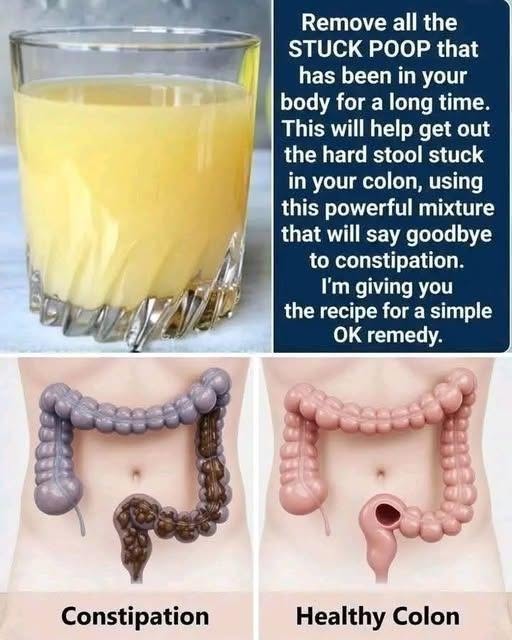
A Simple Natural Approach to Supporting Regular Digestion and Relieving Constipation
Constipation is a common digestive complaint that can leave you feeling uncomfortable, bloated, and sluggish. When bowel movements become less frequent or stools become hard and difficult to pass, many people look for a quick “cleanse” or homemade mixture to get things moving again.
But there is an important misconception to clear up first: old stool does not normally remain stuck inside the body for years, and chewing gum does not stay in your digestive system for years either. The digestive system is designed to move food and waste through the gastrointestinal tract.
Instead of relying on extreme cleanses, a better approach is to support healthy digestion with everyday habits such as adequate fluids, fiber-rich foods, regular physical activity, and a consistent bathroom routine.
What Is Constipation?
Constipation generally means having bowel movements that are less frequent than usual or having stools that are hard, dry, or difficult to pass.
Symptoms can include:
- Hard or dry stools
- Straining during bowel movements
- Feeling like you haven’t completely emptied your bowels
- Bloating or abdominal discomfort
- Fewer bowel movements than is normal for you
Occasional constipation can happen for many reasons, including changes in diet, not drinking enough fluids, reduced physical activity, changes in routine, or certain medications.
Does Chewing Gum Stay in Your Body for Years?
No.
The popular idea that swallowed chewing gum remains in the digestive system for seven years is a myth.
Chewing gum is not completely digested because some of its ingredients are difficult for the digestive system to break down. However, after being swallowed, it generally moves through the digestive tract and is eventually eliminated in the stool.
That means you don’t need a special drink or cleanse to remove old chewing gum from your body.
What Actually Helps With Constipation?
There isn’t one magical drink that cleans out years of accumulated waste.
Instead, several simple habits can help support normal bowel function.
1. Drink Enough Fluids
Fluids are important for overall health and can help keep stools from becoming excessively hard.
Make water your main everyday drink and drink regularly throughout the day. Your individual fluid needs can vary depending on factors such as activity level, weather, and diet.
If you have been told by a healthcare professional to restrict fluids, follow their advice instead.
2. Eat More Fiber-Rich Foods
Fiber can help support regular bowel movements.
Good food sources include:
- Fruits
- Vegetables
- Beans and lentils
- Whole grains
- Oats
- Nuts and seeds
When increasing fiber, do it gradually and drink enough fluids. Suddenly adding a large amount of fiber can make some people feel more bloated or uncomfortable.
3. Stay Physically Active
Regular movement can support normal digestive function.
Walking, playing sports, cycling, or simply being active during the day can be helpful. You don’t need an extreme workout routine to support healthy digestion.
4. Don’t Ignore the Urge to Go
When you feel the need to have a bowel movement, try not to repeatedly ignore it.
Creating a regular, relaxed bathroom routine can also help some people establish more consistent bowel habits.
5. Choose Foods That Support Digestion
A balanced diet containing a variety of plant foods can provide fiber and other nutrients that support overall digestive health.
Rather than looking for a dramatic “detox,” focus on meals that regularly include vegetables, fruit, whole grains, beans, and other nutritious foods.
What About Homemade Constipation Drinks?
You may see recipes online containing large amounts of salt, oils, concentrated herbs, laxative ingredients, or other substances promoted as a “complete colon cleanse.”
Be careful with these claims.
A mixture that causes sudden diarrhea does not necessarily mean that it has removed years of waste from your body. It may simply be causing your intestines to release water and stool.
Some ingredients can also cause unwanted effects, particularly when taken in large amounts or combined with medications.
For that reason, it’s better not to treat an unverified homemade mixture as a guaranteed cure for constipation.
How Long Does Constipation Usually Last?
The answer varies from person to person.
An occasional change in bowel habits may improve after addressing factors such as diet, fluids, activity, or changes in routine.
However, constipation that keeps returning or does not improve deserves attention.
Keeping track of your symptoms can be useful. Note changes in bowel movements, diet, fluids, activity, and any medications or supplements you take.
When Should You Talk to a Healthcare Professional?
Constipation is often manageable, but certain symptoms should not be ignored.
Seek medical advice if constipation is persistent, severe, or repeatedly interfering with your daily life.
You should also seek prompt medical attention if constipation occurs with concerning symptoms such as significant abdominal pain, repeated vomiting, blood in the stool, unexplained weight loss, or a major change in your normal bowel habits.
If you’re unsure whether a symptom is serious, it’s safer to ask a healthcare professional rather than attempting an aggressive cleanse at home.
A Simple Daily Digestion Routine
Instead of searching for a “miracle” detox, consider building a few healthy habits into your day:
Morning: Start the day with a normal drink of water and a balanced breakfast.
During the day: Include fruits, vegetables, whole grains, beans, or other fiber-rich foods in your meals.
Stay active: Get regular movement throughout the day.
Bathroom routine: Give yourself enough time and privacy when you need to use the bathroom.
Listen to your body: Don’t repeatedly ignore the urge to have a bowel movement.
These habits may sound simple, but consistency matters much more than a dramatic one-time cleanse.
The Bottom Line
There is no need to “flush out” years of old stool or swallowed chewing gum with a powerful homemade mixture. The digestive system naturally moves food and waste through the body, and swallowed chewing gum generally passes through the digestive tract rather than remaining there for years.
If you’re dealing with occasional constipation, focus on practical habits such as adequate fluids, gradual increases in dietary fiber, regular physical activity, and a consistent bathroom routine.
And if constipation is persistent, severe, or accompanied by concerning symptoms, speak with a healthcare professional instead of relying on an aggressive detox.
Your digestive system doesn’t need a miracle cleanse. It needs appropriate care, healthy habits, and attention when something doesn’t seem right.