How To Get Your Peace Lily To Flower More: The Ultimate Guide To Beautiful Blooms
Understanding Peace Lily Flowering Habits
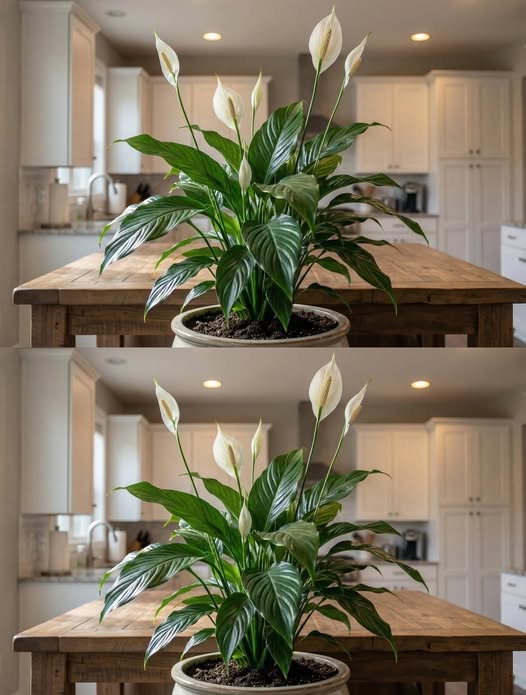
Peace lilies (Spathiphyllum) are popular houseplants known for their glossy green leaves and elegant white flowers. These tropical plants bring beauty and freshness to any indoor space. However, many plant owners struggle to encourage regular blooming.
Although peace lilies are easy to maintain, they need the right conditions to produce flowers. With proper care, your plant can reward you with more frequent and healthier blooms. Therefore, understanding its needs is the first step toward success.
Provide The Right Amount Of Light For More Flowers
Light plays a major role in peace lily blooming. These plants prefer bright, indirect sunlight because it gives them enough energy to create flowers.
Place your peace lily near an east-facing or north-facing window. Additionally, you can use a sheer curtain to filter strong sunlight. This helps protect the leaves while providing enough brightness.
Low light is one of the biggest reasons peace lilies stop flowering. Although they can survive in darker areas, they often produce only leaves without blooms.
On the other hand, direct sunlight can damage the plant. Too much sun may cause yellow or brown leaves. Therefore, finding the right balance is essential.
Create The Perfect Watering Routine
Proper watering is another important factor for healthy peace lily flowers. These plants enjoy slightly moist soil, but they dislike standing water.
Water your peace lily when the top inch of soil feels dry. However, avoid letting the roots sit in water because this can cause root problems.
Furthermore, use a pot with drainage holes. This allows extra water to escape and keeps the roots healthy.
If the leaves begin to droop, your plant may need water. Fortunately, peace lilies usually recover quickly after proper watering.
Increase Humidity For Healthier Blooms
Peace lilies come from tropical environments, so they appreciate higher humidity levels. Dry indoor air can slow growth and reduce flowering.
To improve humidity, place a small humidifier nearby. Alternatively, keep the plant on a tray filled with pebbles and water.
Additionally, grouping plants together can naturally increase moisture around them. As a result, your peace lily may grow stronger and produce more flowers.
Use The Right Fertilizer At The Right Time
Peace lilies need nutrients to create flowers. Without enough food, the plant may focus only on producing leaves.
During the growing season, apply a balanced houseplant fertilizer every few weeks. However, avoid overfeeding because excess fertilizer can damage the roots.
A fertilizer with phosphorus can support flower production. Therefore, choosing the correct plant food can make a noticeable difference.
Always follow the fertilizer instructions carefully. Too much fertilizer does not create more flowers; instead, it can stress the plant.
Choose The Best Soil For Peace Lily Growth
Healthy roots create healthy flowers. Because of this, your peace lily needs quality soil that drains well.
A good potting mix should hold moisture while allowing air to reach the roots. For example, a mix designed for tropical plants often works well.
Moreover, repot your peace lily when the roots become crowded. A larger container gives the plant more space to grow and develop.
However, avoid moving it into a very large pot. Excess soil can hold too much water and create problems.
Remove Old Flowers And Maintain The Plant
Regular maintenance helps your peace lily stay strong. Once flowers fade, remove them by cutting the stem near the base.
This allows the plant to focus energy on new growth. Additionally, remove damaged or yellow leaves to improve the plant’s appearance.
Cleaning the leaves also helps. Dust can block light absorption, so gently wiping the leaves keeps them healthy.
Avoid Common Mistakes That Stop Flowering
Many peace lilies fail to bloom because of simple care mistakes. First, avoid placing the plant in complete darkness.
Second, do not water too frequently. Overwatering is one of the most common problems among houseplant owners.
Also, avoid sudden temperature changes. Peace lilies prefer stable indoor conditions away from cold drafts and heating vents.
Furthermore, do not ignore the soil quality. Poor soil can limit nutrients and reduce flower production.
Give Your Peace Lily Time To Bloom
Patience is important when caring for peace lilies. Even with perfect conditions, some plants need time before producing flowers.
A healthy peace lily will gradually develop stronger leaves and better growth. Eventually, proper care will encourage more blooms.
Therefore, focus on overall plant health instead of expecting instant results. A happy plant naturally becomes a more beautiful flowering plant.
Final Tips For A Blooming Peace Lily
Getting a peace lily to flower more requires the right combination of light, water, humidity, nutrients, and care. First, provide bright indirect light. Next, maintain proper watering habits and healthy soil.
Additionally, support your plant with regular feeding and maintenance. With consistent attention, your peace lily can produce stunning white flowers throughout the year.
A flowering peace lily is a sign of a healthy and well-cared-for plant. By following these simple tips, you can enjoy more blooms and a greener indoor space.