Watermelon Cracks Inside? What They Really Mean and Why You Should Be Cautious
Watermelon Cracks Inside? What They Really Mean and Why You Should Be Cautious
A Surprising Discovery Inside Your Watermelon
You carefully selected a watermelon from the market. It felt heavy and looked perfectly ripe. Moreover, it had the creamy yellow field spot many buyers seek.
Excited to enjoy a refreshing treat, you brought it home. However, the moment you sliced it open, something seemed wrong.
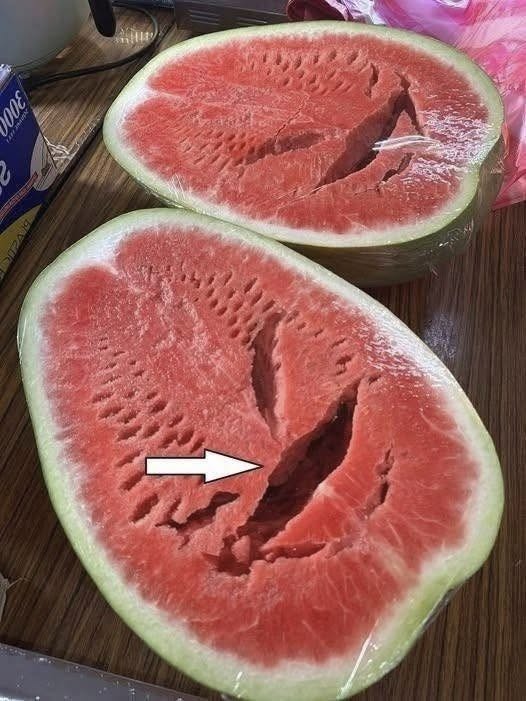
Instead of smooth, firm flesh, you found cracks. Deep grooves appeared throughout the fruit. In some cases, hollow spaces and a spongy texture replaced the juicy consistency you expected.
Many people assume this is harmless. Others believe the fruit is simply overripe. Yet these internal changes can sometimes indicate underlying quality issues.
Therefore, it is important to understand what these cracks may reveal before eating the fruit.
What Do Internal Watermelon Cracks Mean?
Internal cracks, cavities, and uneven flesh development can occur for several reasons. Sometimes, rapid growth causes the fruit to expand faster than its interior structure can support.
As a result, the flesh separates and forms hollow spaces. Consequently, the texture becomes loose and less appealing.
Although not every cracked watermelon is dangerous, these abnormalities often suggest that the fruit developed under unusual conditions.
Therefore, consumers should inspect the watermelon carefully before consuming it.
The Possible Link to Chlorfenuron
One frequently discussed factor behind cracked watermelon flesh is chlorfenuron. This plant growth regulator is also known as forchlorfenuron or CPPU.
Farmers may use chlorfenuron to encourage larger fruit sizes and increase production. Additionally, it can accelerate fruit development and improve yields.
However, rapid growth sometimes causes the flesh to expand unevenly. As a result, cracks, cavities, and soft areas may appear inside the watermelon.
Because of these effects, many consumers become concerned when they discover unusual internal structures.
How Chlorfenuron Affects Watermelon Development
Chlorfenuron belongs to a class of compounds that influence plant cell division. When applied correctly, it can increase fruit size significantly.
Nevertheless, excessive use or unfavorable growing conditions may lead to irregular development. Consequently, the fruit may appear normal from the outside while hiding defects inside.
Furthermore, the flesh can lose its firm texture. Instead, it may become watery, brittle, or sponge-like.
These changes reduce overall quality and may affect the eating experience.
Are Cracked Watermelons Safe to Eat?
Safety depends on the underlying cause of the cracks. Natural growth stress can create harmless internal splits. Likewise, environmental factors such as inconsistent watering may contribute to cavity formation.
However, cracks accompanied by an unusual smell, mushy texture, discoloration, or signs of spoilage should raise concern.
Additionally, watermelons with extensive cavities often have reduced freshness and flavor. Therefore, many consumers choose to avoid them.
If the fruit appears abnormal and you feel uncertain, discarding it is the safest option.
Why Some Countries Regulate Chlorfenuron
Different countries regulate plant growth regulators according to their agricultural standards. Some regions allow chlorfenuron under specific conditions.
Meanwhile, other jurisdictions maintain stricter limitations. Regulatory decisions often depend on safety assessments, agricultural practices, and consumer protection policies.
As a result, rules vary across the world.
Consumers who prefer minimally treated produce often seek fruits grown without synthetic growth regulators.
Signs of a Healthy Watermelon
Choosing a quality watermelon starts before you reach the checkout counter. Fortunately, several visual clues can help.
Look for a watermelon that feels heavy for its size. Additionally, check for a creamy yellow field spot rather than a white one.
The surface should appear firm and free from major bruises. Moreover, the fruit should have a consistent shape without severe deformities.
When tapped, a ripe watermelon usually produces a deep, hollow sound. Therefore, this traditional method remains useful for many shoppers.
How to Avoid Poor-Quality Watermelons
Follow these simple tips to improve your chances of selecting a good watermelon:
- Choose watermelons with a uniform shape.
- Avoid fruits with soft spots or cracks on the rind.
- Look for a creamy yellow field spot.
- Select watermelons that feel heavy.
- Buy from trusted growers and retailers.
- Inspect the flesh carefully after cutting.
By following these steps, you can reduce the risk of bringing home a disappointing fruit.
Final Thoughts
Finding cracks inside a watermelon can be surprising. While some internal cavities result from natural growth conditions, others may be linked to rapid development caused by growth regulators such as chlorfenuron.
Therefore, always inspect the flesh before eating. If the watermelon appears spongy, unusually soft, discolored, or unpleasant in odor, it is best to avoid consuming it.
Ultimately, choosing high-quality fruit and purchasing from reputable sources remains the most effective way to enjoy sweet, refreshing, and safe watermelon all season long.