Master the Art of Cooking Perfect Prime Rib Every Time!
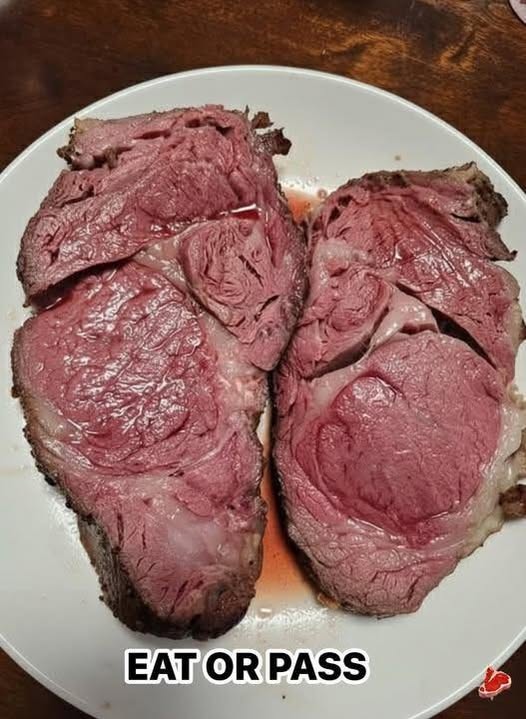
This is not merely a cooking method—it is a precise, repeatable system for producing a prime rib that is evenly pink from edge to center, remarkably juicy, and crowned with a deeply flavorful crust. The technique relies on controlled temperature science rather than guesswork, making it reliable for both novice and experienced cooks.
By following these steps exactly, you achieve a roast that slices cleanly, rests beautifully, and commands attention the moment it reaches the table.
The Golden Rule: Temperature Is Everything
The most important step occurs long before the oven is turned on. Your prime rib must be fully tempered to room temperature.
A cold center disrupts heat transfer, causing overcooked edges and an undercooked interior. This method depends on uniform starting temperature to ensure even doneness throughout the roast.
- 4–6 lb roast: 4–6 hours at room temperature
- Place uncovered on a rack to promote airflow
- Do not shortcut this step
Patience at this stage guarantees perfection later.
Yield and Timing Overview
- Serves: 2–3 people per bone (or ~1 lb per person for boneless)
- Active Time: 10 minutes
- Passive Time:
- 4–6 hours tempering
- 2 hours oven rest
- High-Heat Cooking Time:
- 5–7 minutes per pound
This approach eliminates constant monitoring and minimizes stress on cooking day.
Ingredients
- 1 standing rib roast (bone-in or boneless, any size)
- Coarse kosher salt (approximately 1 tablespoon per pound)
- Freshly cracked black pepper, to taste
- Garlic powder or granulated garlic, to taste
No elaborate seasoning is required. Prime rib shines when its natural flavor is respected.
Equipment
- Modern oven with accurate temperature control
- Shallow roasting pan (rack preferred for airflow)
- Reliable meat thermometer (for final verification only)
Avoid convection mode for this method unless you are deeply familiar with your oven’s behavior.
Step-by-Step Instructions
1. Temper the Roast Completely
Remove the prime rib from refrigeration and place it on a rack or tray. Allow it to rest at room temperature for the full tempering time. The meat should feel neutral—not cold—when touched.
2. Season Generously
Just before cooking, pat the roast dry with paper towels. Season all sides liberally with:
- Coarse kosher salt
- Freshly cracked black pepper
- Garlic powder
Press the seasoning gently into the surface to ensure adhesion.
3. Preheat the Oven to High Heat
Set the oven to 500°F (260°C). Allow it to fully preheat. This initial blast of heat is essential for crust development.
4. High-Heat Roast
Place the seasoned prime rib fat-side up in the roasting pan.
Roast at 500°F for:
- 5–7 minutes per pound
Example:
- 6 lb roast → 30–42 minutes
This phase jump-starts browning and locks in moisture.
5. Turn the Oven Off—Do Not Open the Door
Once the high-heat time is complete:
- Turn the oven off completely
- Do not open the door
- Leave the roast inside for 2 full hours
This is the defining step. The residual heat gently finishes the roast, allowing the internal temperature to rise slowly and evenly without overcooking.
6. Final Temperature Check
After 2 hours, open the oven and check internal temperature:
- Rare: 120–125°F
- Medium-rare: 130–135°F
- Medium: 140–145°F
If needed, return the roast to a 375°F oven for 5–10 minutes to fine-tune doneness.
7. Slice and Serve Immediately
No extended resting period is required. This method already incorporates rest during the oven phase.
Slice against the grain into thick or thin cuts as desired. The interior should be evenly pink, exceptionally moist, and surrounded by a deeply browned crust.
Why This Method Works Every Time
- Uniform starting temperature ensures even heat penetration
- High-heat sear develops flavor without drying the meat
- Residual-heat finish prevents overcooking
- Passive rest redistributes juices naturally
This eliminates the common problems of gray bands, dry edges, and inconsistent doneness.
Serving Suggestions
Prime rib pairs beautifully with:
- Horseradish cream or au jus
- Roasted potatoes or Yorkshire pudding
- Steamed green vegetables
- Simple pan gravy made from drippings
Keep sides understated to let the roast remain the centerpiece.
Final Notes for Flawless Results
- Never skip the tempering phase
- Do not open the oven door during the resting stage
- Trust the timing formula
- Use a thermometer only as confirmation, not guidance
Conclusion
This method transforms prime rib from an intimidating centerpiece into a predictable, repeatable triumph. By respecting temperature, timing, and restraint, you achieve restaurant-quality results in your own kitchen—every single time.
Once mastered, this technique becomes your signature, delivering a roast that is as impressive to behold as it is to taste.