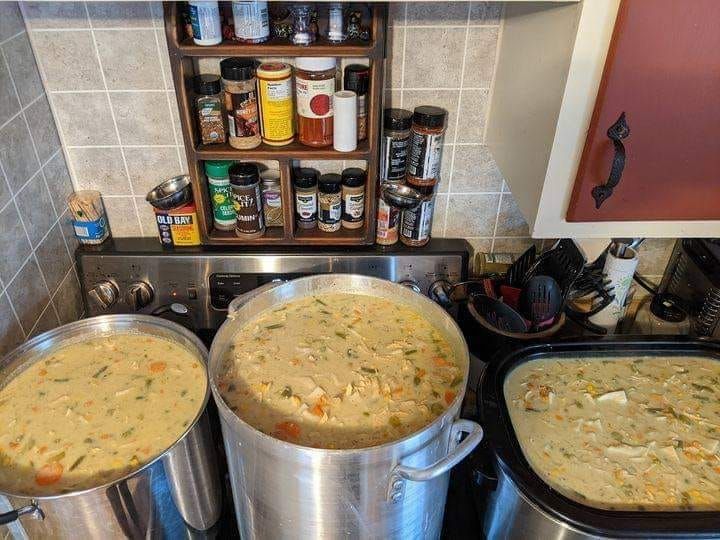
Chicken Pot Pie Soup: A Comforting Tradition for a Small Town Community
When it comes to comfort food, chicken pot pie soup stands out as a beloved dish for many. This recipe, a blend of creamy, savory broth, tender chicken, and hearty vegetables, offers a warm hug in a bowl. In small towns, where community bonds run deep and the act of sharing food is an essential tradition, chicken pot pie soup is more than just a meal – it’s a gesture of love, care, and kindness. In this article, we will explore how this dish brings people together, how to make the perfect chicken pot pie soup, and the importance of supporting local communities through homemade meals.
Why Chicken Pot Pie Soup is a Staple in Small Towns
Small towns are known for their tight-knit communities, and food plays an integral role in connecting neighbors and families. Chicken pot pie soup is a dish that has stood the test of time, passed down through generations, and adapted to suit the needs of those who prepare it. Whether it’s a comforting meal for the elderly, a much-needed gesture for those going through tough times, or a simple act of kindness, chicken pot pie soup fulfills many purposes.
In a world where convenience often trumps personal effort, making a large batch of homemade soup for people in need is a selfless and meaningful act. For towns with a significant elderly population, or those with people facing difficult circumstances, soup can be an invaluable source of comfort and nourishment. The act of preparing chicken pot pie soup for others not only provides physical sustenance but also helps foster a sense of community spirit and love.
Ingredients for the Perfect Chicken Pot Pie Soup
Creating the best chicken pot pie soup requires quality ingredients and the right balance of flavors. While there are many variations of the recipe, certain ingredients form the foundation of any good pot pie soup. Here’s a breakdown of the essential ingredients you’ll need:
1. Flour and Homemade Pot Pie Noodles
A key component of chicken pot pie soup is the pot pie noodles. These noodles give the soup a hearty texture that makes it feel like a complete meal. Start by combining approximately 15 pounds of flour, eggs, and hot water in batches to create the dough. Roll it out and cut it into thin strips to create the pot pie noodles. Once the noodles are ready, boil them in oil until they are cooked through and set them aside for later use.
2. Chicken Breast
The chicken is the star of this soup. For the most flavorful chicken, opt for 20 pounds of boneless chicken breast. Season the chicken with sage, poultry seasoning, garlic powder, and onion powder before baking it. Once the chicken is cooked through, shred it to add a rich texture and flavor to the soup.
3. Vegetables: Garlic, Onion, Celery, Carrots, and More
To bring out the depth of flavor in your soup, sauté fresh garlic, onion, and celery in oil until softened. These aromatics create a solid base for the soup’s flavor profile. Add carrots, peas, corn, and green beans for added texture and nutrition. These vegetables not only make the soup visually appealing but also enhance the overall taste, ensuring every spoonful is packed with flavor.
4. Dairy: Half and Half for Creaminess
To achieve a creamy and rich texture, half and half is a must. Add about half a gallon of half and half to your soup to give it a smooth, velvety finish. The richness of the dairy creates a comforting experience that pairs perfectly with the savory flavors of the chicken and vegetables.
5. Chicken Broth for a Flavorful Base
The foundation of any great soup is the broth. Use chicken broth to fill the pot about three-quarters full, ensuring that your soup has enough liquid to cook the noodles and vegetables. The broth will absorb the seasonings, creating a harmonious, flavorful base for the entire dish.
6. Seasonings: Parsley, Thyme, Pepper
Seasonings are crucial to bringing all the flavors together. Add parsley, thyme, and pepper to taste. These simple herbs and spices add complexity and balance, ensuring that every spoonful of soup is perfectly seasoned.
Step-by-Step Guide to Making Chicken Pot Pie Soup
Now that we’ve covered the essential ingredients, let’s dive into the step-by-step process of making the best chicken pot pie soup. Follow these instructions for a deliciously comforting meal that will warm the hearts of everyone you serve.
1. Prepare the Pot Pie Noodles
Start by preparing the pot pie noodles. In a large bowl, combine flour, egg, and hot water, mixing in batches to ensure the dough comes together. Roll out the dough on a floured surface, and then cut it into thin strips. Boil the noodles in oil until they are tender, then set them aside. This step can be done ahead of time to save on preparation when making the soup.
2. Cook the Chicken
Preheat your oven and season the chicken breasts with sage, poultry seasoning, garlic powder, and onion powder. Bake the chicken until it’s cooked through, then shred it into small pieces. This chicken will provide the hearty protein base for the soup.
3. Sauté the Aromatics
In a large pot, heat some oil and sauté garlic, onion, and celery until softened and fragrant. This step is important as it releases the essential oils in the vegetables, creating a flavorful base for the soup.
4. Add Flour to Thicken
Once the aromatics are cooked, add 2 cups of flour and let it cook for about 10 minutes. This step will help thicken the soup base, ensuring it has the right consistency. Be careful not to overcook the flour to avoid a raw taste.
5. Add the Chicken and Vegetables
Add the shredded chicken along with carrots, peas, corn, and green beans to the pot. Stir everything together, ensuring the ingredients are well-combined. The vegetables will add color, texture, and flavor, while the chicken will serve as the heart of the dish.
6. Incorporate Half and Half and Chicken Broth
Pour in the half and half and chicken broth, stirring constantly to create a creamy, flavorful soup base. The combination of these ingredients ensures that the soup has the right balance of richness and savoriness.
7. Season and Simmer
Add parsley, thyme, and pepper to taste. Let the soup simmer for several hours, allowing the flavors to meld together. This slow-cooking process will allow the chicken and vegetables to absorb the seasoning, making the soup even more delicious.
8. Add the Pot Pie Noodles
Once the soup is nearly ready, add your prepared pot pie noodles. These noodles will continue to cook in the soup, absorbing the liquid and thickening the overall consistency.
9. Taste and Adjust Seasonings
Before serving, taste the soup and adjust the seasoning as needed. This final step ensures that your chicken pot pie soup has the perfect balance of flavor, and you can tailor it to your preferences.
The Importance of Supporting Your Local Community Through Homemade Meals
In small towns, the act of preparing and sharing homemade food is one of the most meaningful ways to connect with others. Whether you’re preparing chicken pot pie soup for a neighbor in need, organizing a community meal, or just offering a hot bowl to someone down on their luck, your efforts can make a significant impact. In times of hardship, the simple gesture of providing nourishing food can lift spirits, foster unity, and remind people that they are not alone.
Supporting your local community through cooking is not just about providing meals; it’s about creating a sense of belonging. By making and sharing chicken pot pie soup, you are nurturing relationships and building a stronger, more compassionate community. It’s a reminder that food is not just about filling stomachs – it’s about filling hearts.
Conclusion: Embrace the Tradition of Chicken Pot Pie Soup
Whether you are cooking for yourself, your family, or your neighbors, chicken pot pie soup is a dish that brings people together. With its rich flavors, hearty ingredients, and comforting texture, it’s no wonder that this soup remains a beloved staple in small towns across the country. By following the steps outlined above, you can create a memorable meal that will warm the hearts and bellies of everyone you serve. More than just a recipe, this dish is a symbol of community, tradition, and the love that binds us all.