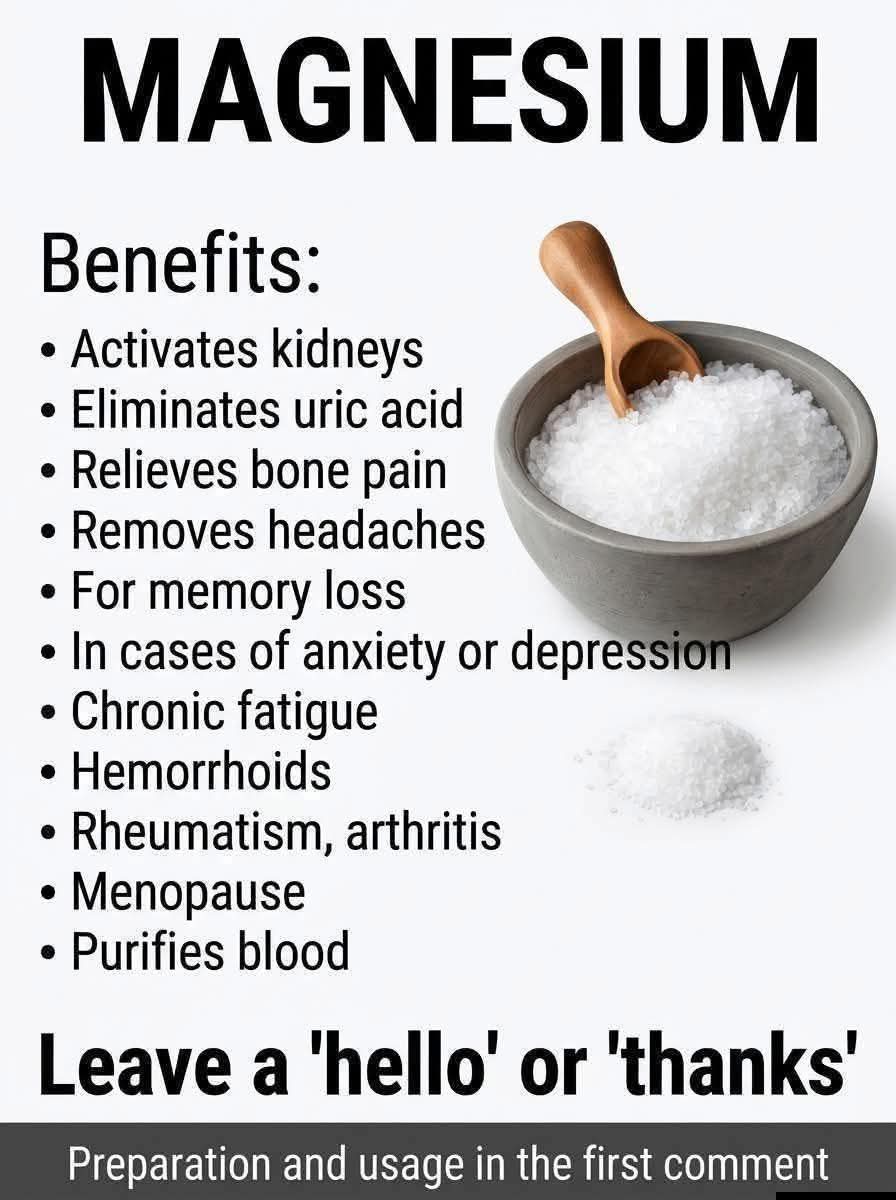
Why Some Chinese Doctors Recommend Magnesium
Introduction
Magnesium is often called the “forgotten mineral,” yet it plays a central role in hundreds of processes inside the human body. In traditional and modern clinical practice across China, many physicians pay close attention to magnesium status when addressing fatigue, sleep issues, muscle tension, stress, digestion, and heart health. Rather than viewing magnesium as a simple supplement, it is often regarded as a foundational nutrient that supports the body’s balance and resilience.
This perspective blends principles from Traditional Chinese Medicine (TCM), which emphasizes harmony and energy flow, with modern nutritional science that recognizes magnesium’s critical biochemical functions.
Ingredients (What Magnesium Supports in the Body)
Magnesium is involved in:
- Nerve function and relaxation
- Muscle contraction and release
- Heart rhythm regulation
- Blood pressure balance
- Energy production (ATP)
- Stress response and cortisol regulation
- Blood sugar control
- Sleep quality
- Bone strength
- Digestive function
Over 300 enzymatic reactions depend on magnesium.
Instructions (How Magnesium Works)
- Calms the nervous system
Magnesium helps regulate neurotransmitters that quiet the brain and promote relaxation. - Relaxes muscles
It counterbalances calcium in muscle cells, preventing cramps, spasms, and tension. - Improves sleep
Magnesium supports melatonin production and reduces nighttime restlessness. - Reduces stress load
It helps regulate the adrenal glands and lowers excess stress hormone output. - Supports the heart
Maintains healthy rhythm and vascular relaxation. - Stabilizes blood sugar
Improves insulin sensitivity and glucose metabolism.
Methods (Why It’s Often Recommended)
Chinese practitioners often observe symptoms that, in modern terms, may reflect magnesium deficiency:
- Persistent fatigue
- Insomnia or light sleep
- Anxiety or irritability
- Muscle tightness, twitching, or cramps
- Headaches and migraines
- Constipation
- Palpitations
- High stress levels
Because these complaints are common in modern lifestyles—poor diet, stress, processed foods, low soil mineral content—magnesium is frequently considered a supportive foundation.
History (Traditional Perspective Meets Modern Science)
In TCM philosophy, many of these symptoms relate to:
- Liver Qi stagnation (stress, tension)
- Heart and Shen disturbance (poor sleep, anxiety)
- Spleen deficiency (fatigue, digestion issues)
While ancient practitioners did not identify “magnesium” by name, many traditional mineral-rich foods and herbal formulas naturally contained it. Today, modern doctors connect these traditional patterns with the known physiological roles of magnesium.
Formation (Common Forms of Magnesium Used)
Different forms are chosen for different needs:
- Magnesium glycinate – calming, for sleep and anxiety
- Magnesium citrate – digestion and constipation support
- Magnesium malate – energy and fatigue
- Magnesium taurate – heart and blood pressure
- Magnesium threonate – brain and cognitive support
- Magnesium chloride (topical oil) – muscle relaxation
Lovers (Who Often Benefits Most)
Magnesium support is commonly suggested for people who:
- Live under chronic stress
- Have sleep problems
- Experience muscle cramps or tension
- Drink a lot of coffee or tea
- Eat mostly processed foods
- Have digestive issues
- Have high blood pressure
- Exercise intensely
- Feel mentally overwhelmed or anxious
Methods (How It’s Typically Taken)
- Evening supplementation for relaxation and sleep
- With meals to improve absorption
- Paired with vitamin B6 for better cellular uptake
- Topical application for muscle pain
- Through food sources such as leafy greens, nuts, seeds, beans, and whole grains
Conclusion
Magnesium is often recommended by Chinese doctors because it supports multiple systems at once—nervous, muscular, cardiovascular, digestive, and metabolic. Rather than targeting a single symptom, it helps restore overall balance and resilience in the body. Its broad role, combined with the common likelihood of deficiency in modern diets, makes it a foundational mineral in both traditional-informed and modern clinical practice.