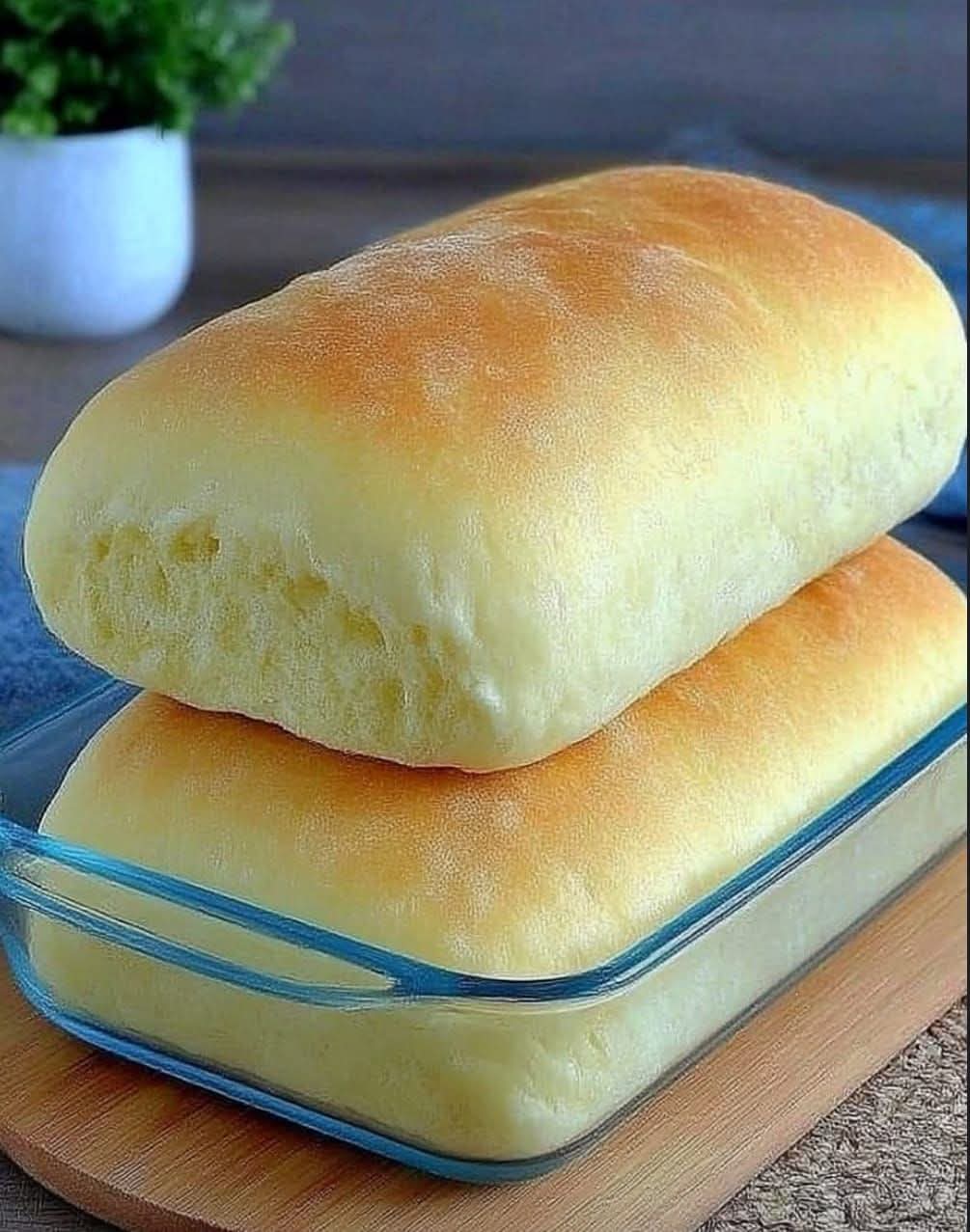
Cozy Grandma’s Ciabatta Bread
Introduction
Ciabatta is the kind of bread that fills a kitchen with warmth long before it ever reaches the table. With its rustic shape, airy interior, and beautifully crisp crust, this Italian classic feels both humble and special. Making ciabatta at home may look impressive, but the process is gentle and rewarding—perfect for a slow, cozy baking day when you want the comforting rhythm of dough, time, and patience to work together.
History
is a relatively modern Italian bread created in 1982 by in the Veneto region of . Its name means “slipper” in Italian, inspired by the bread’s flat, elongated shape. It was developed in response to the popularity of French baguettes, giving Italy its own airy, crusty sandwich bread that quickly spread across Europe and beyond.
Ingredients (Makes 2 loaves)
- 4 cups (500 g) bread flour
- 1½ teaspoons salt
- 1 teaspoon instant yeast
- 2 cups (480 ml) lukewarm water
- 2 tablespoons olive oil
- Extra flour for dusting
Method Overview
Ciabatta relies on high hydration (very wet dough), long resting, and minimal handling. Instead of kneading, you gently stretch and fold the dough to build structure while keeping those signature air pockets intact.
Step-by-Step Instructions
1) Mix the Dough
In a large bowl, combine flour, salt, and yeast. Add lukewarm water and olive oil. Stir with a wooden spoon or spatula until a sticky, shaggy dough forms. Do not knead.
2) First Rise (2–3 hours)
Cover the bowl with plastic wrap or a towel. Let the dough rise at room temperature until doubled and bubbly.
3) Stretch and Fold
With wet hands, gently pull one side of the dough up and fold it over itself. Rotate the bowl and repeat 3–4 times. This replaces kneading and strengthens the dough.
Cover and rest for 30 minutes. Repeat this stretch-and-fold process two more times.
4) Second Rise (1 hour)
Let the dough rest, covered, for another hour. It should look airy and jiggly.
5) Shape the Loaves
Generously flour your work surface. Carefully turn the dough out without deflating it. Dust the top with flour. Divide into two rectangles using a bench scraper. Gently shape into slipper-like loaves.
Place them onto a floured parchment paper.
6) Final Rest (30–40 minutes)
Cover loosely and allow the loaves to puff slightly.
7) Bake
Preheat oven to 425°F (220°C). Place a baking stone or tray inside while preheating.
Transfer the loaves (with parchment) onto the hot surface. Bake for 20–25 minutes until deep golden brown with a hollow sound when tapped.
Cool completely before slicing.
Formation and Texture
Ciabatta’s identity lies in:
- A thin, crackly crust
- An open, airy crumb full of irregular holes
- A chewy yet tender bite
- A rustic, flour-dusted appearance
The wetter the dough and gentler the handling, the more dramatic the air pockets will be.
Why Bakers Love This Bread
- No kneading required
- Simple pantry ingredients
- Impressive bakery-style result
- Perfect for sandwiches, dipping in olive oil, or serving with soups
- Fills the home with an unforgettable aroma
Serving Ideas
- Slice and dip in olive oil with herbs
- Use for panini or hearty sandwiches
- Toast and top with tomatoes and basil
- Serve alongside warm soups and stews
Conclusion
Grandma’s cozy ciabatta is proof that patience and simplicity create something extraordinary. With just a few ingredients and gentle care, you can produce a loaf that looks artisan, tastes authentic, and brings the comforting feel of old-world baking right into your kitchen.