
Never Use Ginger If You Have Any of These Conditions – It Can Cause Serious Health Problems
Published: December 24, 2025
Ginger root is widely known as a powerful natural remedy. It’s praised for its anti-inflammatory properties, digestive benefits, and immune system support. Many people use ginger tea, ginger supplements, or fresh ginger root to relieve nausea, reduce joint pain, and support heart health.
However, while ginger is considered a superfood, it is not safe for everyone.
In certain medical conditions, ginger can actually worsen symptoms and lead to serious health risks. If you have any of the conditions listed below, you should speak with your healthcare provider before consuming ginger regularly.
1. Blood Disorders (Bleeding Disorders)


Why Ginger Can Be Dangerous
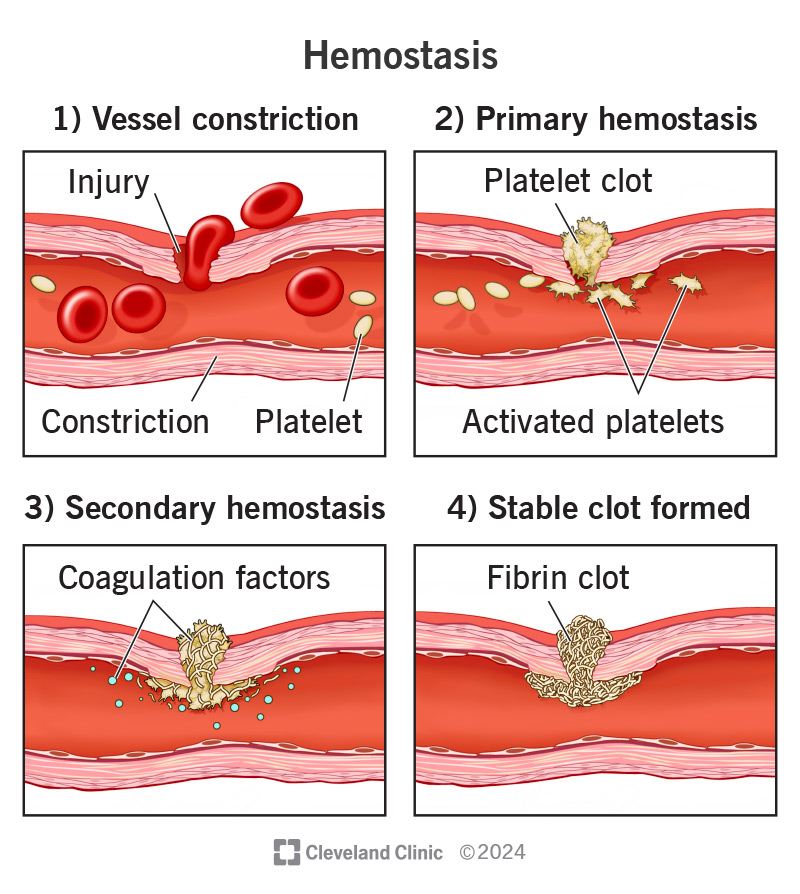
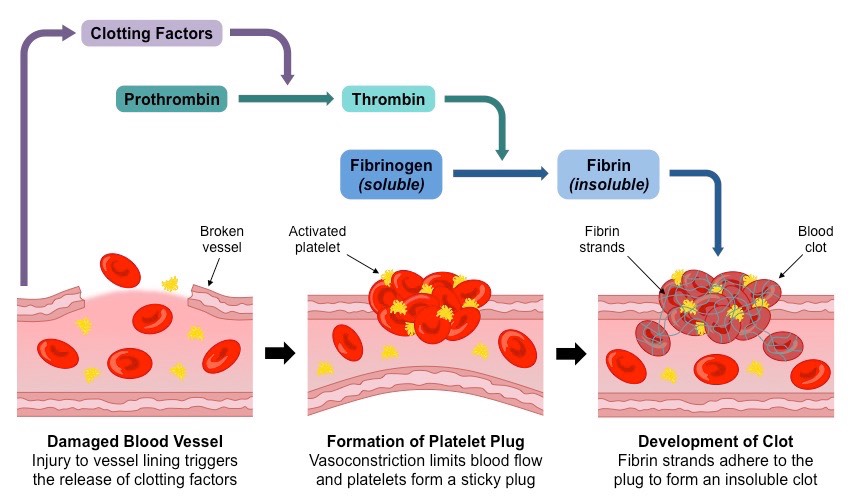
Ginger acts as a natural blood thinner (anticoagulant). It improves circulation and reduces blood clot formation.
While this may benefit people at risk of heart disease, it can be dangerous for individuals with:
- Hemophilia
- Von Willebrand disease
- Platelet disorders
- Active internal bleeding
- Frequent nosebleeds
If your blood does not clot properly, ginger may increase the risk of:
- Severe bleeding
- Hemorrhage
- Prolonged bleeding after cuts
- Excessive menstrual bleeding
If you are already taking blood-thinning medications such as:
- Warfarin
- Aspirin
- Clopidogrel
- Heparin
Combining them with ginger supplements may increase bleeding risk.
⚠️ Always consult your doctor before using ginger if you have a bleeding disorder.
2. Gallstones

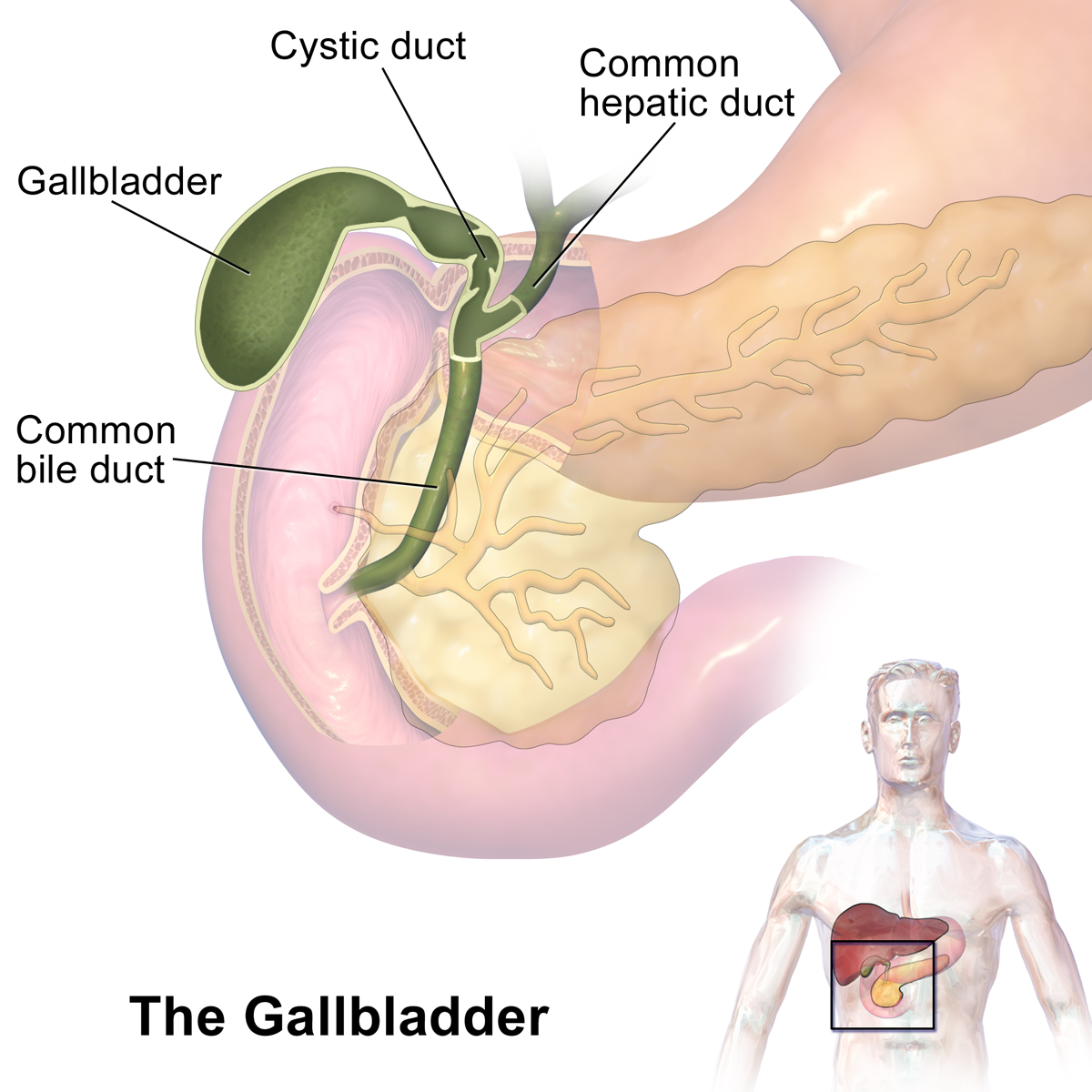

Ginger stimulates bile production. While this helps digestion, it may cause complications for people with gallstones.
Excess bile flow can trigger:
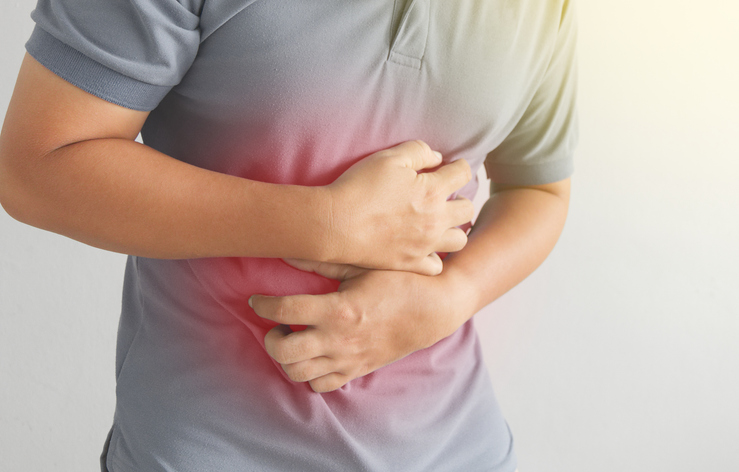
- Gallbladder pain
- Gallstone attacks
- Digestive discomfort
If you’ve been diagnosed with gallstones, avoid high doses of ginger supplements unless approved by a medical professional.
3. Low Blood Pressure (Hypotension)
Ginger can naturally lower blood pressure. This is beneficial for people with hypertension.
However, if you already have low blood pressure, ginger may cause:
- Dizziness
- Fainting
- Blurred vision
- Weakness
- Irregular heartbeat
Combining ginger with blood pressure medications may lower blood pressure too much.
4. Diabetes (If on Medication)
Ginger may lower blood sugar levels. While this can support blood sugar control, it may increase the risk of hypoglycemia in people who:
- Take insulin
- Use blood sugar-lowering medications
Symptoms of low blood sugar include:
- Sweating
- Shaking
- Confusion
- Rapid heartbeat
If you have diabetes, talk to your doctor before adding ginger supplements to your routine.
5. Pregnancy (High Doses)
Although ginger is commonly used to relieve morning sickness, excessive consumption may increase bleeding risk during pregnancy.
High doses of ginger supplements could:
- Increase miscarriage risk (in high amounts)
- Affect fetal hormone balance
- Increase bleeding during delivery
Small amounts in food are generally considered safe, but always consult a healthcare provider before using ginger medicinally during pregnancy.
6. Before Surgery
Because ginger acts as a natural anticoagulant, doctors often recommend stopping ginger consumption at least 1–2 weeks before surgery.
It may increase the risk of:
- Surgical bleeding
- Post-operative complications
If you have a scheduled surgery, inform your doctor about any herbal supplements you are taking.
Safe Ginger Consumption Guidelines
For healthy adults, moderate ginger consumption is generally safe:
- 1–3 grams per day
- Fresh ginger in cooking
- Occasional ginger tea
Avoid high-dose capsules unless recommended by a healthcare professional.
Frequently Asked Questions
Is ginger dangerous for everyone?
No. Ginger is safe for most healthy individuals when consumed in moderate amounts.
Can ginger interact with medications?
Yes. It may interact with:
- Blood thinners
- Diabetes medications
- Blood pressure drugs
How much ginger is too much?
More than 4 grams daily may increase the risk of side effects.
Final Thoughts
Ginger root offers many health benefits, including anti-inflammatory effects and digestive support. However, it is not risk-free.
If you have:
- A bleeding disorder
- Gallstones
- Low blood pressure
- Diabetes
- A scheduled surgery
- A high-risk pregnancy
You should consult your healthcare provider before using ginger regularly.
Natural remedies can be powerful — but they must be used wisely.