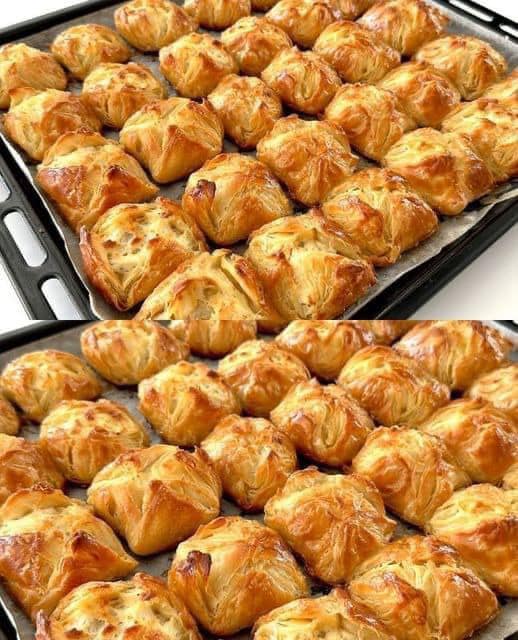
The Traditional Mini Bread Method I Learned from a 70-Year-Old Master Baker
A Timeless Homemade Bread Recipe That Delivers Perfect Results Every Single Day
We share a traditional homemade bread method passed down by a 70-year-old master baker, refined through decades of daily practice. This recipe produces golden, soft mini loaves with a crisp crust and airy interior, using simple pantry ingredients and a foolproof technique. It is a method rooted in tradition, patience, and precision—yet perfectly suited for modern home kitchens.
What makes this recipe exceptional is its consistency. It works every time, requires no special equipment, and produces bakery-quality bread suitable for breakfast, lunch, or dinner.
Why This Traditional Bread Method Works So Well
This bread-making method focuses on:
- Proper hydration
- Gentle kneading
- Controlled fermentation
- High-quality basic ingredients
The result is bread that is:
- Soft and fluffy inside
- Lightly crisp on the outside
- Naturally aromatic
- Easy to portion and bake
- Perfect for freezing and reheating
This is a technique designed for everyday use, not just special occasions.
Ingredients for Mini Homemade Bread Loaves
Ingredients (Makes 1 Baking Sheet – Approx. 24 Mini Loaves)
- 500 g all-purpose flour 🌾
- 1 teaspoon salt 🧂
- 7 g dry yeast or 25 g fresh yeast
- 300 ml lukewarm water 💧
- 1 tablespoon olive oil 🫒
- 1 egg for brushing (optional) 🥚
📌 All ingredients are easily available at Biedronka, Lidl, Auchan, and Carrefour, making this recipe accessible and affordable.
The Role of Each Ingredient
All-Purpose Flour
Provides the ideal balance of structure and softness. It allows the dough to rise well while keeping the crumb tender.
Yeast
Responsible for fermentation and rise. Both dry and fresh yeast work perfectly in this recipe.
Lukewarm Water
Activates the yeast gently and ensures even hydration throughout the dough.
Salt
Strengthens gluten and enhances flavor. Proper salt balance is essential for well-structured bread.
Olive Oil
Adds softness, subtle aroma, and improves shelf life.
Egg Wash (Optional)
Creates a shiny, golden crust and enhances visual appeal.
Step-by-Step Preparation Method
1️⃣ Activate the Yeast
In a small bowl, dissolve the yeast in lukewarm water. Let it sit for 5–10 minutes until foamy. This ensures the yeast is active and ready.
2️⃣ Mix the Dough
In a large bowl, combine flour and salt. Gradually add the yeast mixture and olive oil. Mix until a soft dough forms.
3️⃣ Knead Properly
Transfer the dough to a lightly floured surface. Knead for 8–10 minutes until smooth, elastic, and slightly tacky.
Proper kneading develops gluten, giving the bread structure and chew.
4️⃣ First Rise
Place the dough in a lightly oiled bowl, cover, and let rise in a warm place for 60–90 minutes, or until doubled in size.
This slow fermentation builds flavor and texture.
Shaping the Mini Loaves
5️⃣ Divide and Shape
Punch down the dough gently. Divide into 24 equal portions. Shape each portion into a small loaf or roll.
6️⃣ Second Rise
Place the mini loaves on a parchment-lined baking sheet. Cover loosely and let rise for 20–30 minutes until puffy.
This step ensures a light, airy crumb.
Baking Instructions
7️⃣ Preheat the Oven
Preheat to 190°C (375°F).
8️⃣ Brush and Bake
Brush loaves with beaten egg for shine (optional). Bake for 15–18 minutes, or until golden brown and hollow-sounding when tapped.
9️⃣ Cool Properly
Transfer to a wire rack and allow to cool completely before storing.
Why Mini Loaves Are So Practical
Mini loaves offer several advantages:
- Faster baking time
- Perfect portion control
- Ideal for sandwiches and snacks
- Easy to freeze and reheat
- Kid-friendly and lunchbox-ready
They are versatile and convenient for daily use.
Texture and Flavor Profile
These mini breads deliver:
- Soft, fluffy interior
- Thin, lightly crisp crust
- Mild, balanced flavor
- Subtle olive oil aroma
They pair well with both sweet and savory toppings.
Serving Suggestions
Enjoy these mini loaves with:
- Butter and jam
- Cheese and cold cuts
- Olive oil and herbs
- Soups and stews
- Breakfast spreads
They are suitable for every meal of the day.
Storage and Freezing Tips
Room Temperature
Store in an airtight container for up to 2 days.
Refrigeration
Not recommended, as it dries out bread.
Freezing
Freeze fully cooled loaves for up to 2 months. Reheat in the oven for fresh-baked texture.
Common Mistakes to Avoid
- Using hot water (kills yeast)
- Skipping the second rise
- Overbaking
- Adding too much flour during kneading
Attention to detail ensures perfect results.
Why This Method Has Been Used for Decades
This bread recipe has stood the test of time because it:
- Uses simple, accessible ingredients
- Requires no machines
- Delivers consistent results
- Produces bakery-quality bread at home
It reflects traditional craftsmanship adapted for everyday kitchens.
A Master Baker’s Method Worth Keeping
We present this traditional mini bread recipe as a reliable, time-tested method perfected through years of daily use. It proves that great bread does not require complexity—only patience, balance, and respect for the process.
This is the kind of recipe that becomes a household staple, baked again and again, passed from one generation to the next.