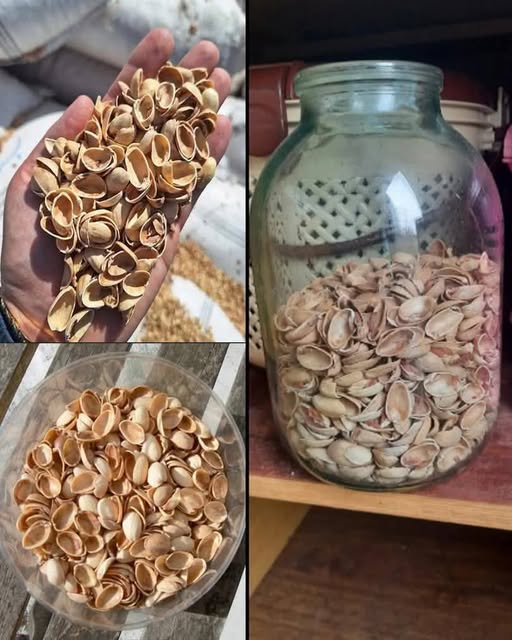
Reusing Pistachio Shells: How to Turn Them Into Powder and Use It in Your Garden
December 18, 2025 | by admin
In the world of sustainable gardening, some of the most valuable resources are often the ones we overlook. Pistachio shells—frequently discarded without a second thought—are one such resource. Hard, slow to decompose, and seemingly useless, they are usually destined for the trash. Yet when viewed through the lens of ecological gardening, these shells reveal remarkable potential.
With thoughtful preparation and simple processing, pistachio shells can be transformed into a nutrient-rich powder and soil amendment that enhances soil structure, supports plant health, and contributes to a more circular, waste-free garden system. This guide explores the science behind pistachio shells, explains how to process them safely, and details their most effective uses in the garden.
Chapter 1: The Hidden Anatomy of a Pistachio Shell—Why It’s a Garden Powerhouse
Pistachio shells are not inert waste. They are a natural, protective structure composed of lignin and cellulose, designed to shield the seed from environmental stress. These same properties make them exceptionally valuable in soil systems.
Structural and Nutritional Profile
- Biodegradable Lignin & Cellulose
These compounds decompose slowly, improving soil aeration and structure over time without collapsing or compacting. - Mineral Content
Pistachio shells contain trace but meaningful amounts of:- Calcium (Ca): Supports strong root systems and cell wall integrity
- Potassium (K): Enhances flowering, fruit development, and water regulation
- Phosphorus (P): Aids energy transfer and early root growth
- Carbon-Rich Material
As a “brown” compost ingredient, pistachio shells help balance nitrogen-heavy inputs like kitchen scraps or grass clippings. - Physical Defense Properties
When crushed or powdered, their slightly abrasive nature discourages certain soil-dwelling pests.
The Ecological Equation
By repurposing pistachio shells, gardeners close a natural loop. Instead of sending organic matter to landfills—where decomposition occurs anaerobically—you return minerals and carbon to the soil, reinforcing the principles of circular and regenerative gardening.
Chapter 2: Meticulous Preparation—The Critical First Steps
Safety First: The Salt Imperative
Most commercial pistachios are salted. Salt accumulation in soil can damage roots, inhibit nutrient uptake, and compromise soil biology. Proper preparation is therefore essential.
Step 1: Purification Process
- Collect and Rinse
Place shells in a colander and rinse thoroughly under warm running water. - Detox Soak
Submerge shells in hot water for 30–60 minutes. For heavily salted shells, repeat the soak with fresh water. - Final Rinse
Rinse again to remove residual salt. - Complete Drying
Spread shells in a single layer and air-dry for 24–48 hours, or oven-dry at under 200°F (93°C) for 1–2 hours. Shells must be completely dry before grinding to prevent mold.
Chapter 3: The Transformation—Grinding Techniques for Every Gardener
Once dried, pistachio shells can be processed into various textures depending on their intended use.
Grinding Methods
- Mortar and Pestle
Ideal for small batches and fine powder. Labor-intensive but precise. - Blender or Food Processor
Best for medium quantities. Pulse in short bursts to prevent overheating. - Coffee or Spice Grinder
Produces the finest powder, perfect for soil blending or compost acceleration.
Desired Textures
- Fine Powder: For soil amendment, compost enrichment, and pH buffering
- Coarse Grit: For mulch, drainage improvement, and pest deterrence
Store processed shells in an airtight container in a dry place.
Chapter 4: How to Use Pistachio Shell Powder in the Garden
1. Soil Amendment
Incorporate 1–2 tablespoons per gallon of soil when preparing potting mixes or garden beds. The powder improves aeration, introduces trace minerals, and supports long-term soil health.
2. Compost Accelerator
Add pistachio shell powder to compost piles as a carbon-rich balancing agent. Its structure improves airflow, supporting beneficial microbial activity.
3. Natural Pest Barrier
Sprinkle coarse shell powder around plant bases to deter slugs, snails, and crawling insects. The texture creates a mild physical barrier without chemicals.
4. Mulch Enhancement
Blend crushed shells into organic mulch to improve longevity and reduce compaction, especially in raised beds and container gardens.
5. Drainage Support for Potted Plants
Mix coarse shell fragments into the base layer of pots to improve water flow and prevent root rot.
Chapter 5: Best Plants for Pistachio Shell Amendments
Pistachio shell powder works particularly well for:
- Tomatoes and peppers
- Herbs such as rosemary, thyme, and sage
- Flowering perennials
- Citrus and fig trees
- Succulents and drought-tolerant plants
Avoid excessive use around salt-sensitive plants unless shells have been thoroughly rinsed.
Chapter 6: Storage, Shelf Life, and Best Practices
- Store in dry, airtight containers
- Label containers clearly
- Use within 12 months for maximum effectiveness
- Always apply gradually and observe plant response
Moderation ensures soil balance and prevents mineral buildup.
Conclusion: Turning a Snack into Soil Gold
Pistachio shells are more than refuse—they are a functional, mineral-rich gardening resource hiding in plain sight. With careful preparation and thoughtful application, they enhance soil structure, reduce waste, and support a healthier garden ecosystem.
Every shell reused is a step toward sustainability, resilience, and smarter gardening. What was once discarded becomes a tool—quietly working beneath the surface to strengthen the life above it.